Their “Genre Espagne” Pocket Watches
From Constant Othenin-Girard to Girard-Perregaux: Matrimonial Alliance and Brand Identity
The Girard-Perregaux manufacture rests upon a deep and solid technical foundation rooted in family lineage: the figure of Henri Perregaux, a renowned master watchmaker from Le Locle. Active and highly respected during the inaugural trials at the Cantonal Observatory—where the institution itself adopted chronometers of his manufacture featuring complex inverse compensation systems for its laboratory metrology—Henri Perregaux contributed the substance and heritage of fine precision timekeeping that the following generation would inherit.
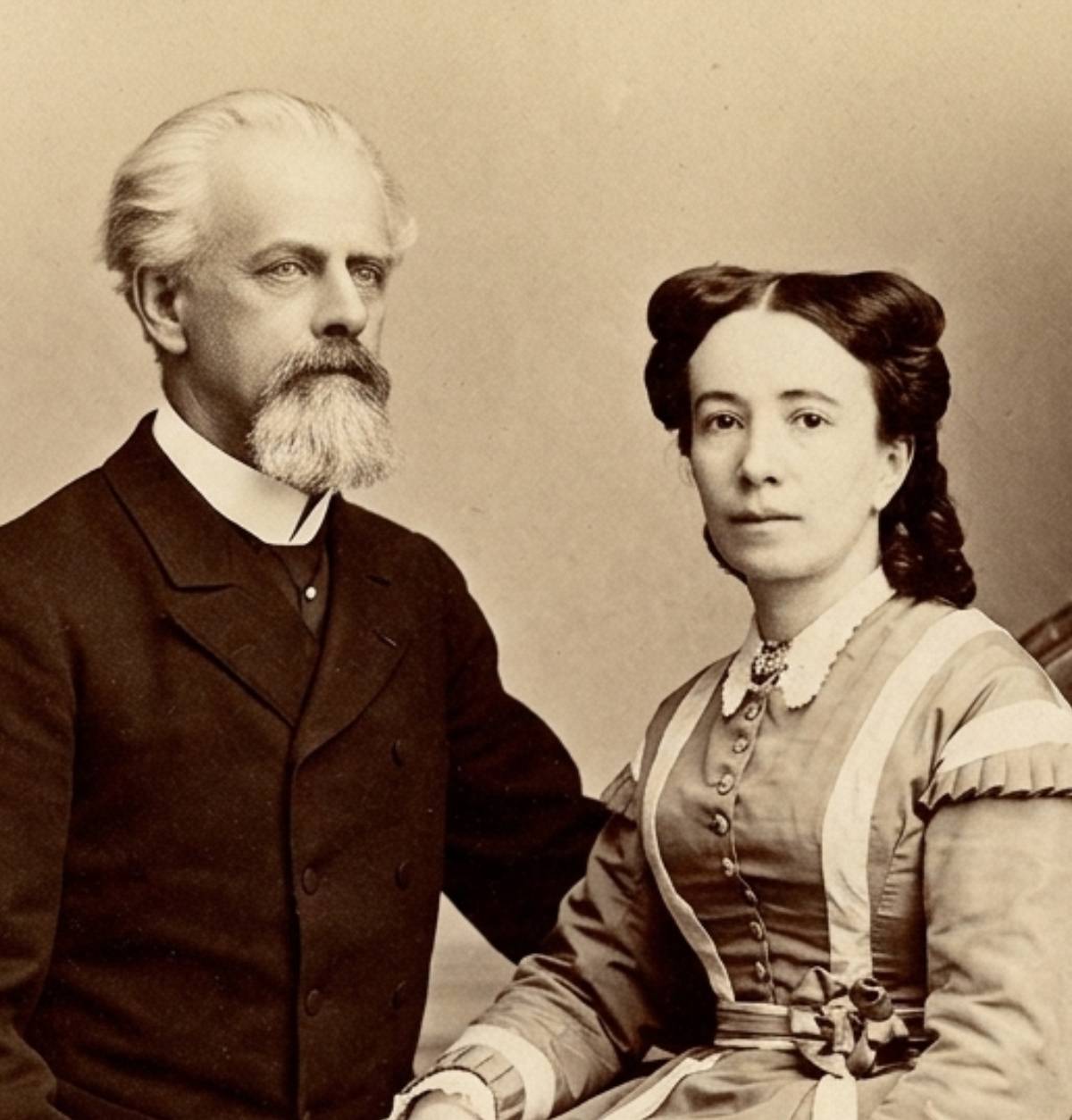
The definitive bridge was built following the 1854 marriage between the watchmaker Constant Othenin-Girard (1825–1903) and Marie Perregaux (1831–1912), daughter of Henry. By uniting the two families, the new manufacture—which chose the name Girard-Perregaux—did not merely combine their surnames, but also assumed the continuity and tradition of the Le Locle workshop.
The firm’s expansion relied heavily on its family network by integrating Marie’s brothers: François Perregaux successfully introduced the brand to the Asian market, while Henri and Jules managed strategic distribution across the Americas.
The Specialty of Double-Dial (Double-Face) Timepieces
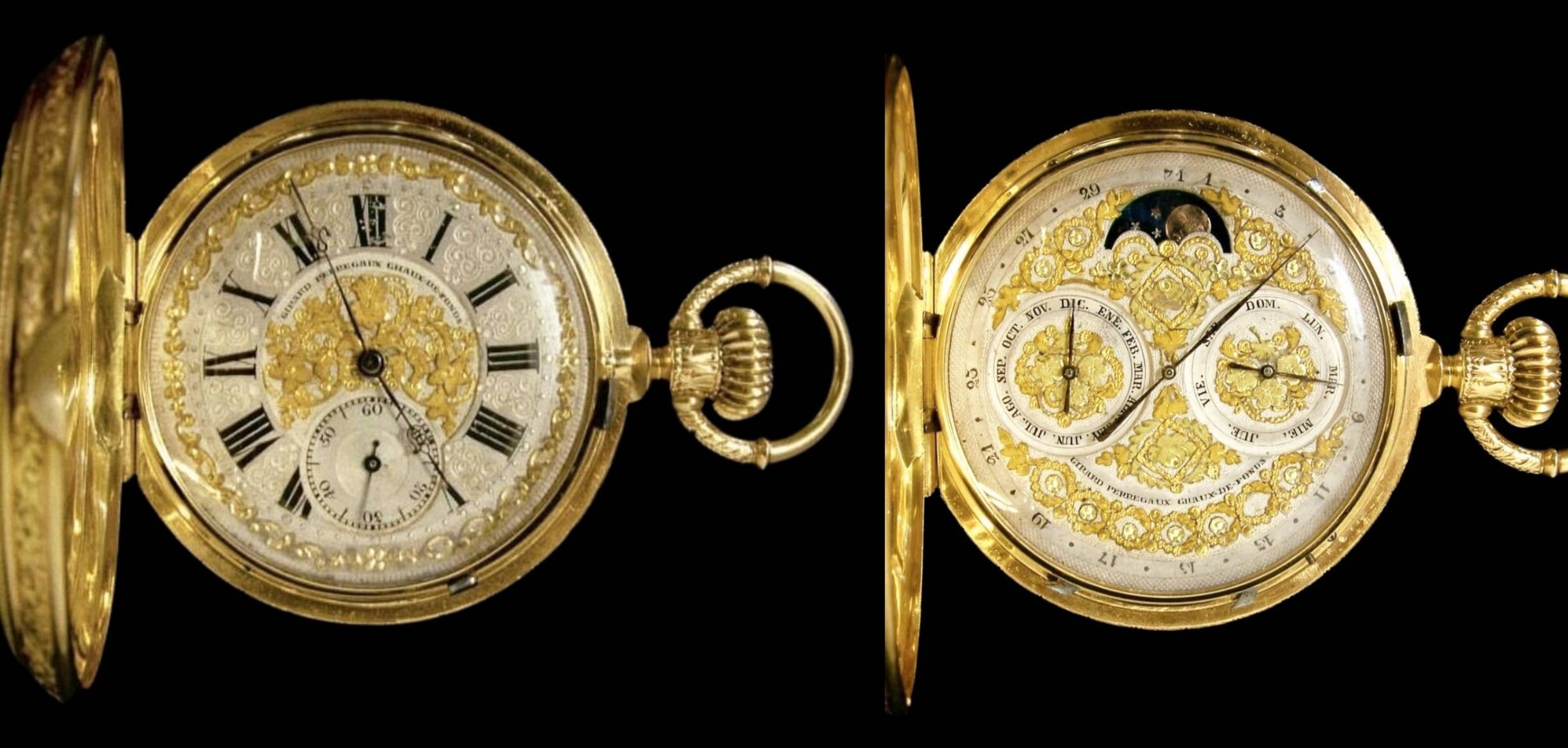
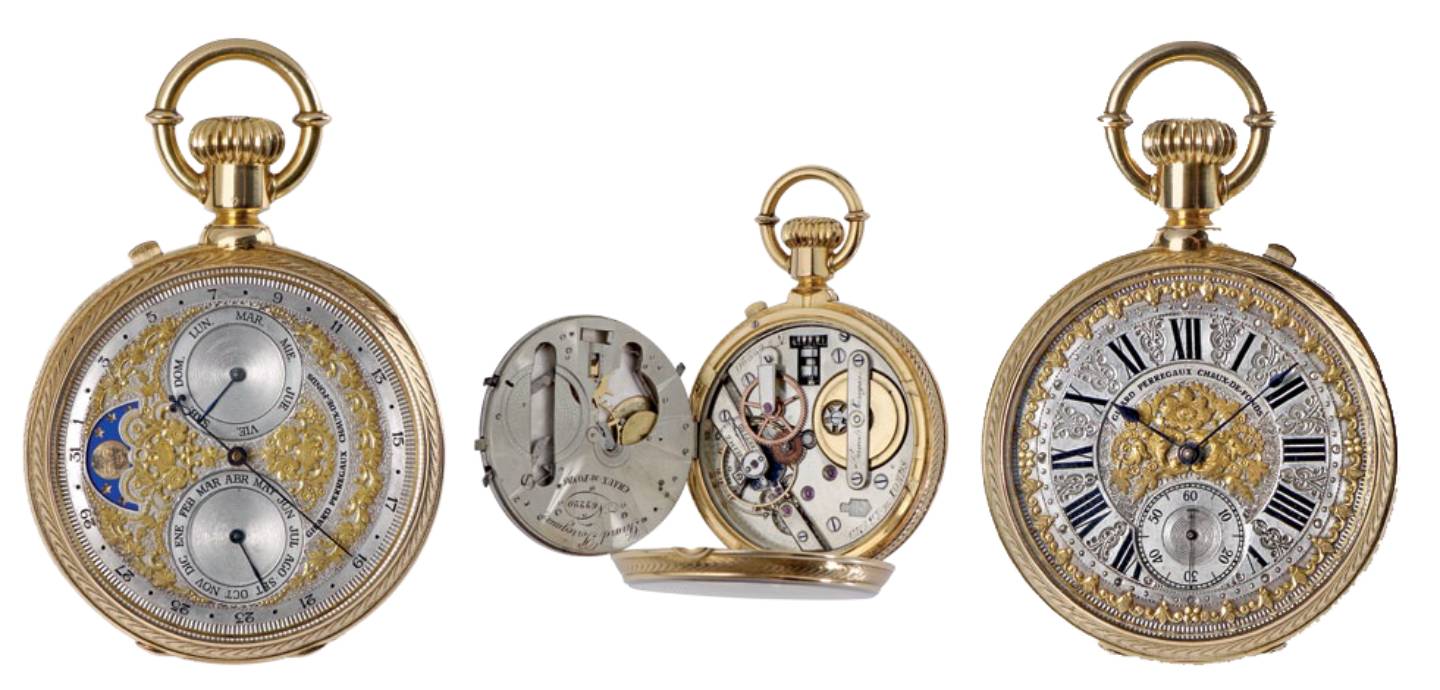
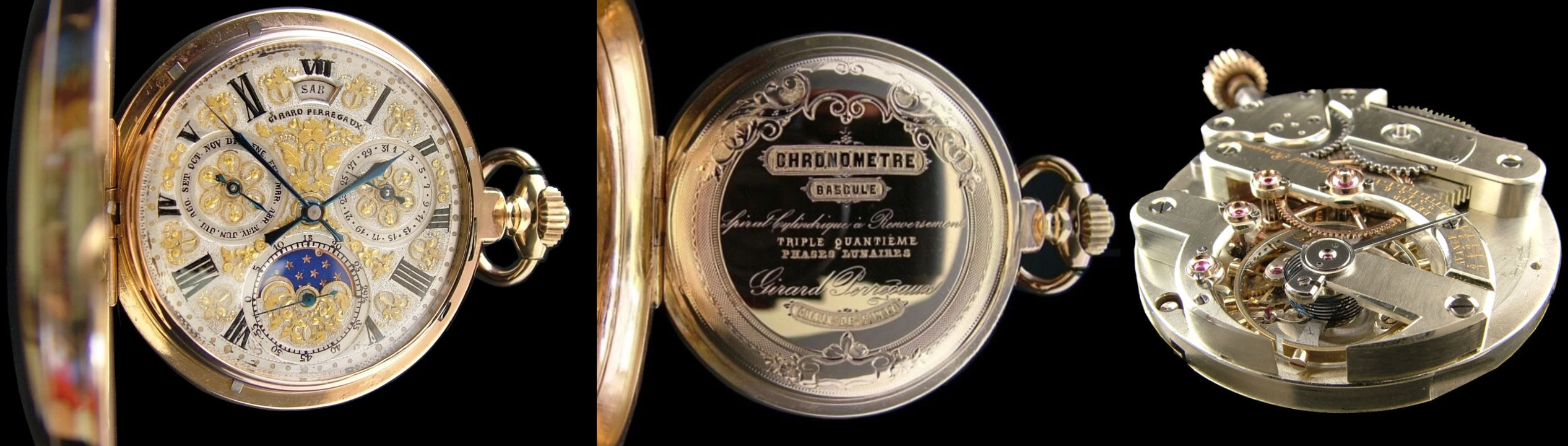
Within the manufacture’s output during the final third of the 19th century, a variant of high technical complexity and lavishness stands out: double-face pocket watches featuring richly crafted dials. These timepieces, typically housed in precious 18K gold three-lid hunter cases (savonnettes), finely hand-chiseled and engraved with floral motifs and engine-turned patterns, organize horological information across two dials: the main dial displays the time, while the rear dial houses a supplementary complication mechanism on an added dial dedicated to the complete calendar, featuring indications for the date, day of the week, month, and moon phases—explicitly labeled in Spanish (such as ENE, FEB, MAR or DOM, LUN, MAR), leaving no doubt as to their intended destination market.
This ultra-luxurious typology combined external ornamental richness with the high precision of calibers equipped with compensated balance wheels, Breguet or spherical balance springs, and lever or detent escapements, representing the ultimate standard of prestige for the manufacture.
The Development of the Three Parallel Bridges Caliber and Chronometric Certification
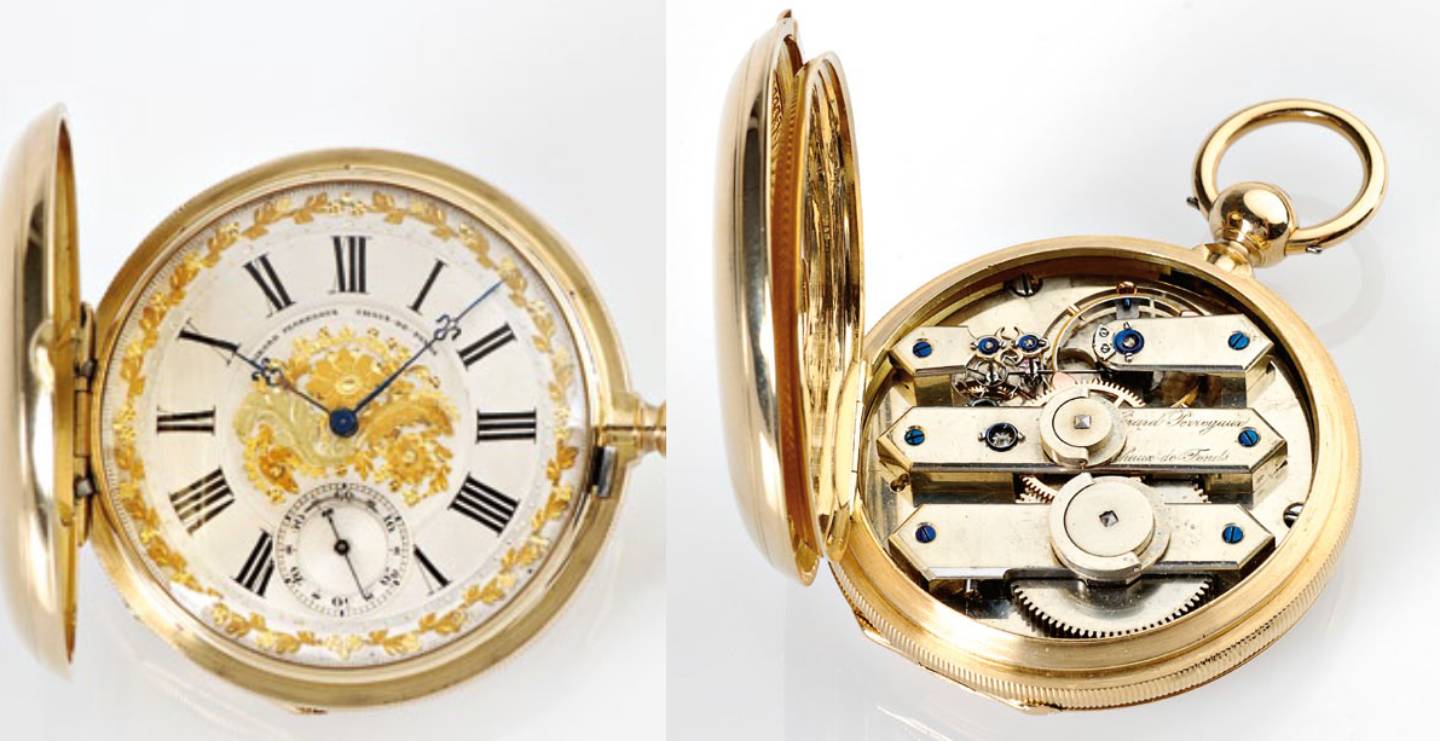
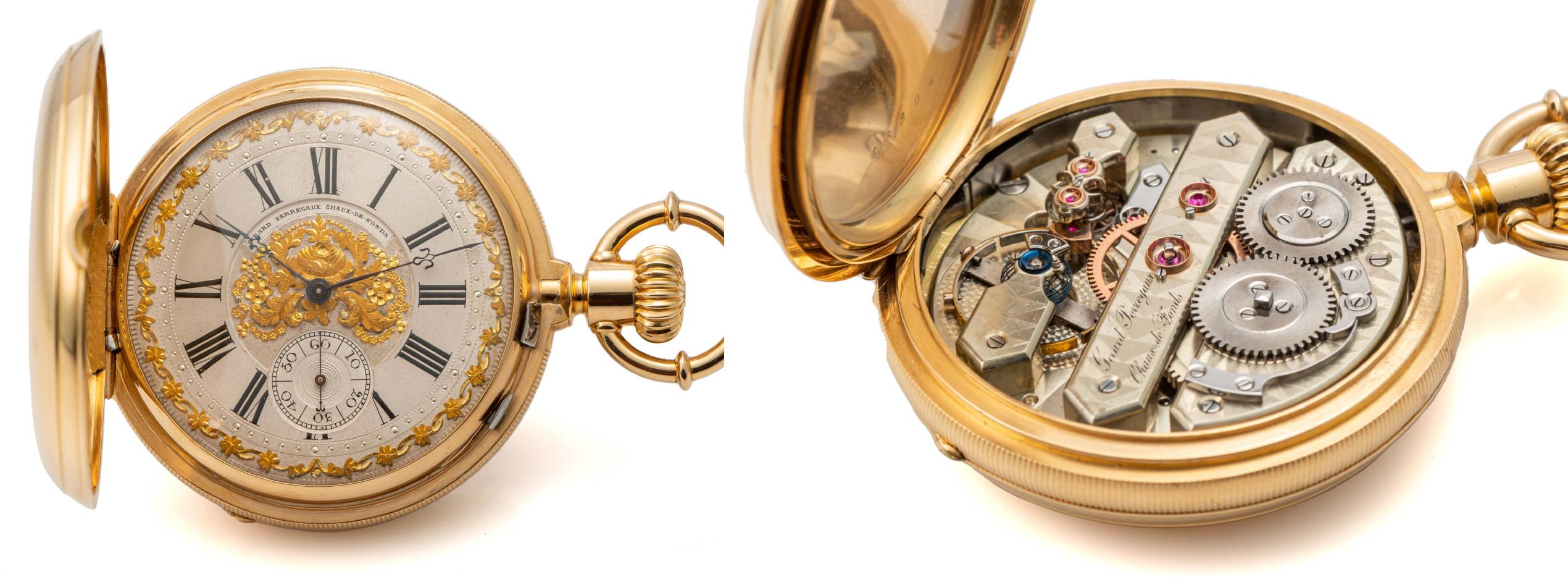
It is characteristic of the manufacture to have reconfigured movement architecture by unifying the structural support function with a linear, symmetrical geometry for its calibers. Designed around 1860, this caliber arranges the wheel train along a strict vertical axis linking the mainspring barrel—positioned at the top—to the regulating organ located at the bottom. The components are secured by means of three independent parallel bridges, featuring an elongated hexagonal or arrow-shaped profile.
Regarding the regulating organ, the tourbillon cage abandoned the conventional three-arm structure in favor of a design featuring two opposing lateral horns. The production of these mechanisms required the collaboration of specialized timing adjusters (régleurs); historical archives record examples around 1875 fitted with regulating components executed by the master artisan Ernest Guinand.
The performance and accuracy of these calibers were systematically evaluated at the chronometry competitions of the Neuchâtel Observatory beginning in the mid-1860s. Notably, in 1867, an entry from the firm awarded a first-class prize.
In 1883, at the Zurich National Exhibition, the firm displayed three showcases highlighting the structural simplicity of its calibers and the inclusion of tourbillon escapements, described as a tour de force of regional watchmaking mechanics. During this exhibition, twelve official rate certificates (bulletins de marche) issued by the Neuchâtel Observatory were presented, attesting to extreme daily variations starting from 0.13 seconds, with an overall average of 0.377 seconds for the set, including a 14-ligne tourbillon.
The firm’s trajectory in international competitions includes the first medal at the La Chaux-de-Fonds Exhibition (1881), the bronze medal in Paris (1867), the Neuchâtel Competition Prize (1886), and the gold medal in Paris (1889) for the famous “La Esmeralda” model.
In December 1883, Girard-Perregaux filed a design patent in the United States detailing the technical layout and geometric arrangement of the three arrow-shaped bridges, securing their legal protection. This patent, granted under number D-14919, listed Ariste Guinand and Jules Perret among its witnesses.
To cover different market segments, Girard-Perregaux developed a series of trademarks such as El Águila de Oro, Comet, Anchor, Empress, Sport, Stella, Dolphin, Cosmos, Fleurette, and Monte-Cristo, which, without sacrificing the firm’s horological essence, were aimed at a broader clientele.
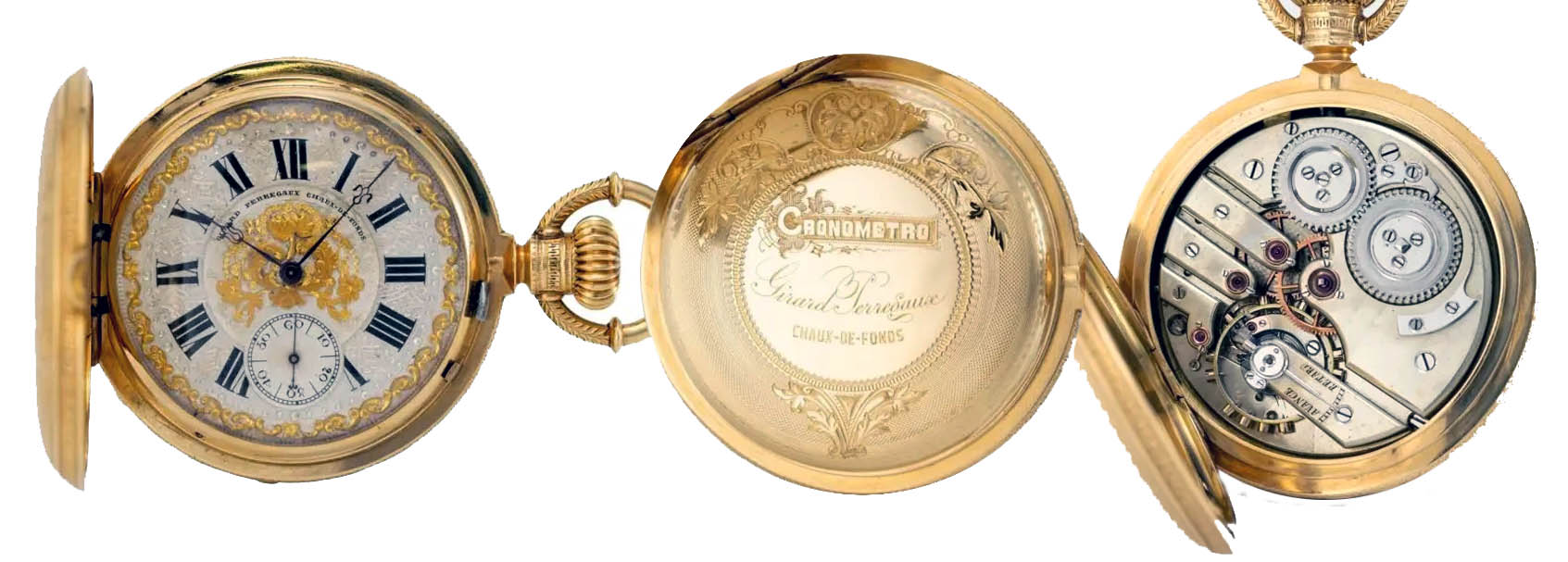
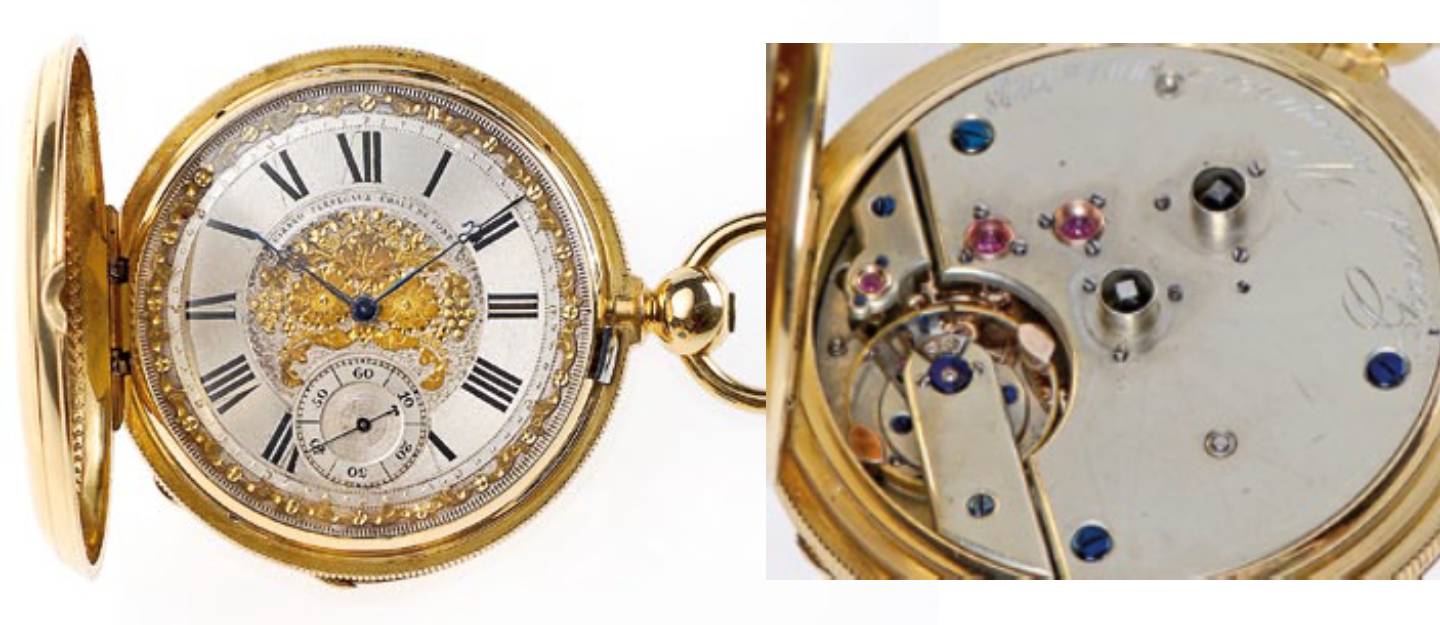
Left: Girard-Perregaux, Chaux-de-Fonds, Movement No. 47308, Case No. 47308, 53 mm, 137 g, circa 1868. A remarkable and decorative precision hunter case pocket watch (savonnette). Case: 18K gold, engine-turned, fluted case-band, engine-turned and hand-engraved gold cuvette, signed “Cronometro, Exposition Universelle, Paris 1867” and “Girard Perregaux, Chaux de Fonds”, direct keyless winding and hand-setting system, composed of two circular pieces with hinged rings that lift up for use and fold flat, casemaker’s mark “PMAF”, interior lids richly engine-turned. Dial: silvered, applied gold floral ornaments, chiseled, radial Roman hours, small seconds, blued-steel Fleur-de-Lys hands. Movement: bridge-type, rhodium-plated, decorated with stripes, blued spherical balance spring without regulator (freesprung), chronometer balance with 4 screws and 2 gold elliptical weights, counterpoised lever, diamond endstone in chaton for the balance wheel, lever, and escape wheel.
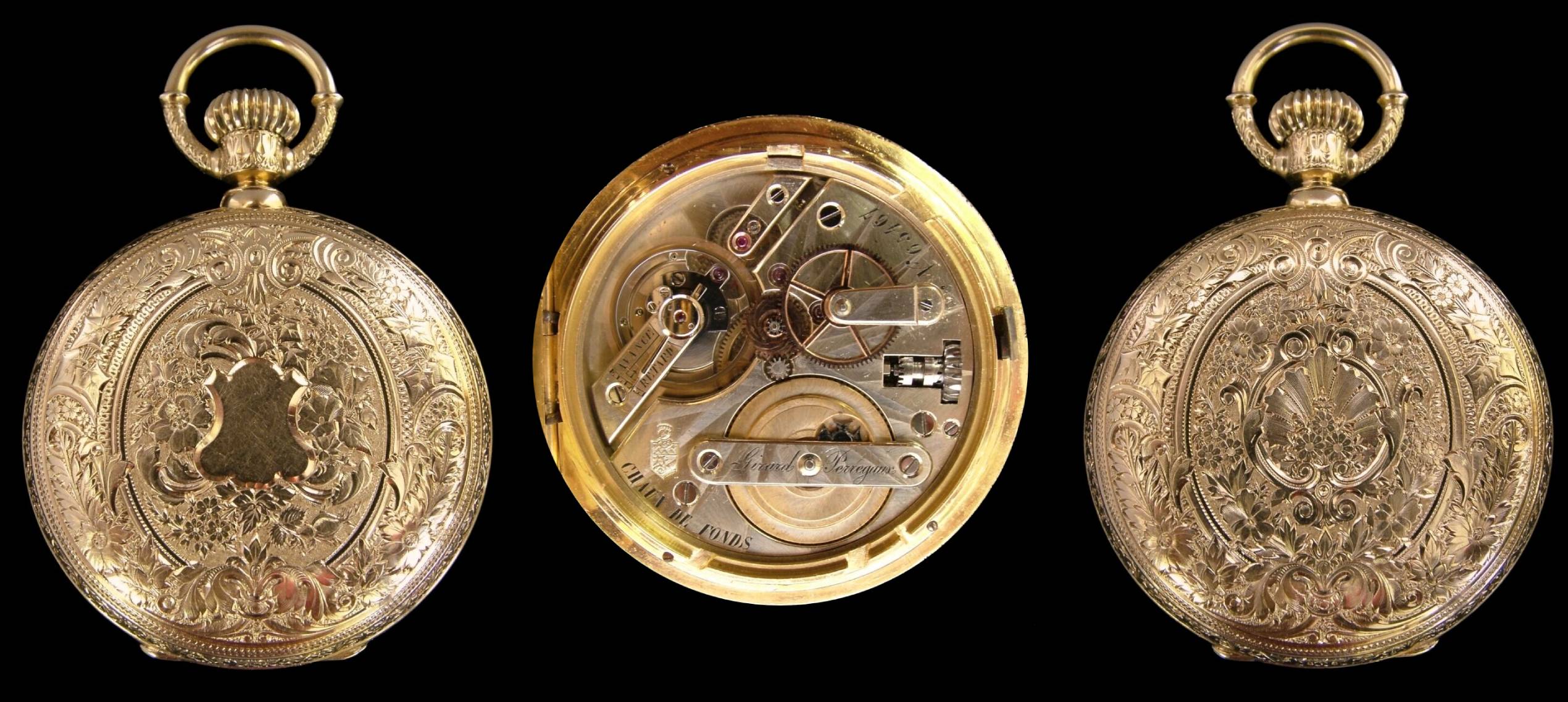
Right: Girard-Perregaux pocket watch No. 40114, 54 mm, 145 g, circa 1867. Pivoted detent escapement. Case: 18K gold, casemaker’s mark “FN”. Silvered dial, engraved with floral motifs, radial Roman hours, small seconds, blued-steel tulip hands. Movement: 3/4 plate, key-wound, nickel-plated, decorated, fusee and chain, screwed gold chatons, bimetallic chronometer balance with 2 screws and 2 weights, blued spherical balance spring, diamond endstone for the balance wheel.
International Recognition, the 1906 Absorption, and the Contemporary Era
The firm’s flawless trajectory and well-established institutional renown enabled the manufacture’s management to reach the highest spheres of international representation. At the Paris Universal Exposition in 1900, the firm participated hors concours, with Constant Girard-Gallet—son of founders Constant Othenin-Girard and Marie Perregaux—serving as a member of the international jury, having previously held similar roles by appointment of the Swiss Federal Council at the Amsterdam Exposition, as well as serving as President of the Jury at the Liège Exposition in 1905.
In 1906, Girard-Perregaux & Cie, then under the leadership of Constant Girard-Gallet, acquired and absorbed the prestigious historical Geneva house J.F. Bautte & Cie—which had formerly been taken over by J. Rossel Fils and was then in the hands of his friend and relative Juan Hecht.
This commitment to chronometric precision and the linear architecture of its movements has distinguished the manufacture through to the present day.
A list of select Girard-Perregaux pocket chronometers entered in the Neuchâtel Cantonal Observatory competitions during the 19th century, enabling their production and chronology to be traced via their serial numbers. These records, regulations, and technical specifications offer a detailed insight into the evolution of precision watchmaking during that era.
| Year | Serial number | Brief technical description | ||
| 1865 | 35121 | Tourbillon-bascule-Breguet. Variation 0,32″. 4e Observatoire Cantonal | ||
| 1870 | 50000 | Estimation | ||
| 1872 | 57548 | Bascule-Tourbillon-Sphérique-Clé. Variation 0,50″. 57e. | ||
| 1872 | 57550 | Bascule-Sphérique-Clé. Variation 0,56″. 74e. | ||
| 1872 | 59932 | Bascule-Tourbillon-Plat-Remontoir. Variation -0,35″. 60e. Quantième, perpétuel et phases de lune. | ||
| 1873 | 70000 | Estimation | ||
| 1875 | 74684 | Ancre-Sphérique. Réglé par Jacot. 17e | ||
| 1875 | 74686 | Bascule-Sphérique. 16e | ||
| 1876 | 76579 | Premier prix. | ||
| 1875 | 80643 | Tourbillon à ressort. Spiral plat Phillips. Remontoir. 0,17″. 5e Prix | ||
| 1876 | 80647 | Tourbillon à bascule. Spiral Breguet. Remontoir. 0,17″. 8e Prix | ||
| 1876 | 80648 | Troisième prix. Tourbillon à bascule. Spiral plat Phillips. | ||
| 1876 | 80957 | Chronomètre à tourbillon. Premier prix. E. Guinand | ||
| 1876 | 81022 | Bascule. Cylindre. 19e. Réglé par Jacot | ||
| 1878 | 87321 | Tourbillon à bascule. Spiral plat Phillips. 8e Prix. Réglé par Jacot | ||
| 1879 | 87312 | Ancre-Spiral plat à deux courbes Phillips. 3e prix. 110 fr. | ||
| 1882 | 85446 | Ancre-Cylindre à deux courbes Phillips. 27e. J. Jacot | ||
| 1882 | 100948 | Ancre-Plat Phillips. Avec chronographe | ||
| 1883 | 87319 | Ancre-Spiral Phillips à deux courbes. 7e prix. Réglé Paul Perret | ||
| 1883 | 105304 | Ancre-Plat Phillips. J. Jacot | ||
| 1885 | 87316 | Ancre-Spiral Phillips. 6e prix. Réglé Paul Perret | ||
| 1885 | 79993 | Bascule-cylindre. 8e. Réglé Borgstedt | ||
| 1885 | 111543 | Ancre-Plat Phillips. Réglé Borgstedt | ||
| 1885 | 119404 | Ancre-Plat Phillips. 20e. Réglé Borgstedt | ||
| 1888 | 119407 | Ancre-Plat Phillips. 36e. Réglé Borgstedt | ||
| 1885 | 119408 | Ancre-Plat Phillips. 1er prix. Réglé Borgstedt | ||
| 1886 | 109964 | Prix Concours Neuchâtel 1886 | ||
| 1888 | 119411 | Ancre-Plat Phillips. 9e. Réglé Borgstedt | ||
| 1888 | 119415 | Ancre-Plat Phillips. 1er prix. 120 fr. Réglé Borgstedt | ||
| 1888 | 163319 | Bascule-Cylindre. À fusée | ||
| 1888 | 165841 | Ancre-Breguet. Triple quantième, phases de lune, répétition à minutes et chronographe. | ||
| 1889 | 168230 | Échappement à tourbillon. Spiral plat Phillips. 2e prix. | ||
| 1890 | 140891 | Ancre-Spiral plat à deux courbes Phillips. 29e. Réglé Wehrli | ||
| 1890 | 140893 | Ancre-Spiral plat à deux courbes Phillips. 20e. Réglé Wehrli | ||
| 1890 | 168418 | Tourbillon-Plat Phillips. 64e. Réglé Borgstedt | ||
| 1890 | 187648 | Ancre-Breguet. Réglé Z. Plantillon. Répétition à minutes, quantième et chronographe | ||
| 1891 | 189117 | Tourbillon-Plat Phillips. 6e. Réglé Wehrli | ||
| 1891 | 189119 | Tourbillon-Plat Phillips. 1er prix. Réglé Borgstedt. Présenté à nouveau au concours en 1900, réglé Wehrli. | ||
| 1891 | 197183 | Ancre-Breguet. 12e. Réglé Wehrli | ||
| 1892 | 189120 | Tourbillon-Spiral plat à deux courbes Phillips. 2e. | ||
| 1892 | 197186 | Ancre-Spiral plat à deux courbes Phillips. 9e. Réglé Borgstedt | ||
| 1892 | 197187 | Ancre-Spiral plat à deux courbes Phillips. 15e. Réglé Borgstedt | ||
| 1892 | 213053 | Ancre-Spiral plat à deux courbes Phillips. 20e. Réglé Borgstedt | ||
| 1892 | 213875 | Bascule-Spiral plat à deux courbes Phillips. 11e. Réglé Borgstedt | ||
| 1897 | 257864 | Ancre-Spiral plat Phillips. 51e. Réglé Wehrli | ||
| 1897 | 267622 | Ancre-Spiral cylindrique à deux courbes Phillips. 1er prix. Réglé Wehrli | ||
| 1899 | 235996 | Fabriqué pour Paul Sandoz et Cie. Ancre-Spiral plat à deux courbes Phillips. | ||
| 1899 | 273164 | Ancre-Spiral plat Phillips. Réglé Wehrli | ||
| 1899 | 273165 | Ancre-Spiral plat Phillips. Réglé Wehrli | ||
| 1899 | 274749 | Ancre-Spiral plat Phillips. Réglé Wehrli | ||
| 1900 | 274750 | Ancre-Spiral plat Phillips. Réglé Wehrli | ||
| 1900 | 276832 | Ancre-Spiral plat Phillips. Réglé Wehrli | ||
| 1900 | 278829 | Ancre-Spiral plat Phillips. Réglé Wehrli | ||
| 1900 | 278830 | Ancre-Spiral plat Phillips. Réglé Wehrli |
His “Genre Espagne” Pocket Watches
The Cortébert Saga: Family Tradition and Innovation
The House of Cortébert occupies a unique position in horological history, marked by its longevity and uninterrupted family continuity within the Juillard dynasty since the end of the 18th century. It all began with Adam-Louis Juillard, the founder of this lineage, who in 1790 opened a modest watchmaking dealership (comptoir d’horlogerie) in Sonvilier, a small town in the Saint-Imier valley. This village, located about ten kilometers from La Chaux-de-Fonds, was one of the earliest centers of watch manufacturing in the Neuchâtel Jura.
An archival document mentions Adam-Louis Juillard as early as 1784, the year he married the daughter of the notary Jean-Henri Juillard. A complete watchmaker, he worked at the bench himself, employed workers both at home and in his comptoir, and sold his watches, even undertaking the long journey to Paris by stagecoach. Archives preserve one of his creations dated 1804: a verge escapement watch housed in a solid silver case.
Expansion and Innovation
In 1830, Lucien Juillard, son of Adam-Louis, took over the business and relocated it to Saint-Imier, then the industrial capital of the valley. He served as its mayor for several years. In 1848, at the Swiss Industrial Exhibition in Bern, he presented six timepieces, including a gold hunter case watch (savonnette), which earned a favorable mention from the jury.
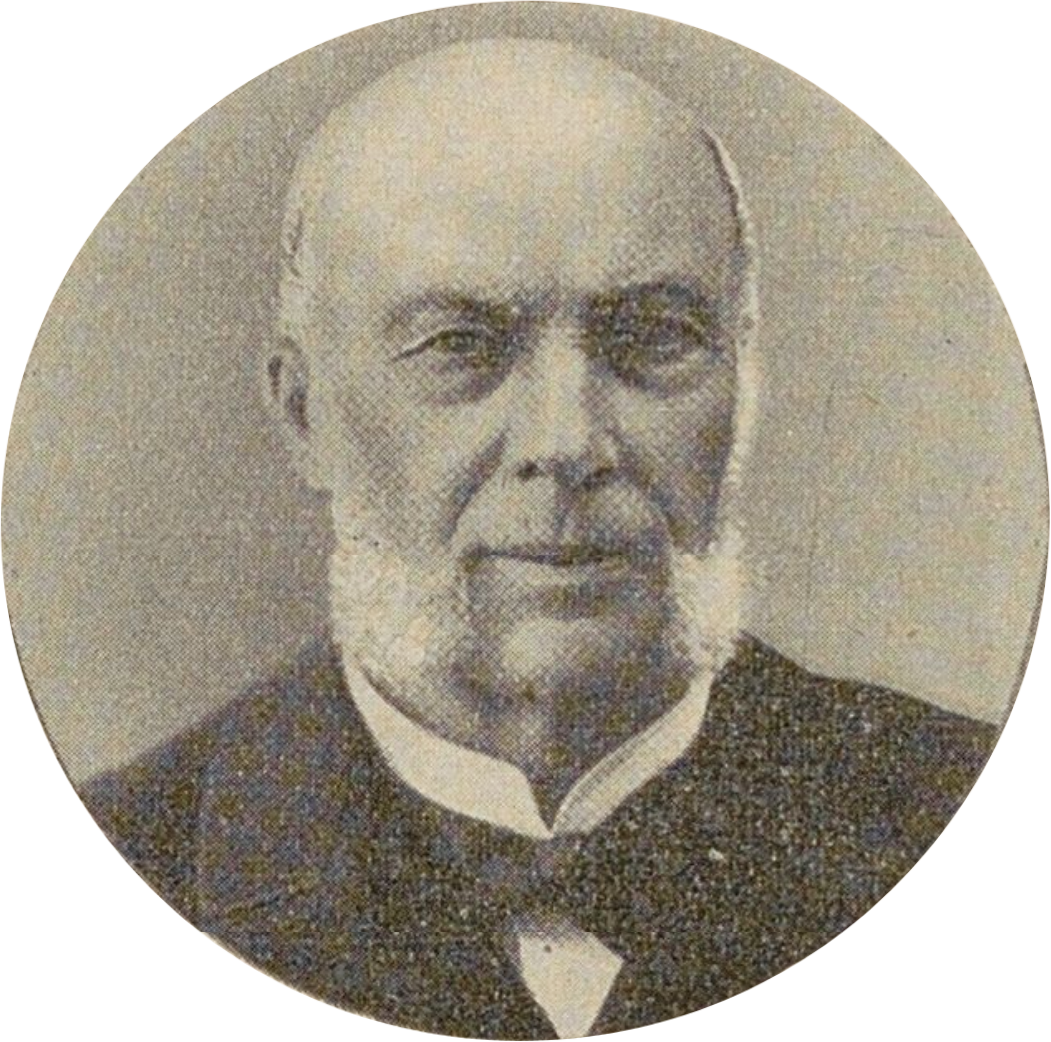
In 1850, his son, Albert Juillard-Morel (1828–1909), took the reins of the firm alongside his brother Édouard (1829–1878). Together, they inherited the family comptoir based in Saint-Imier. In the early 1860s, they purchased the premises of a former spinning mill in Marin, near Neuchâtel, to mechanically manufacture keyless winding watches. Albert did not remain there long, leaving the business to Édouard.
In 1864, Albert partnered with several regional watch manufacturers, including Pierre-Henri Raiguel-Chopard (1809–1898), to establish an ébauche factory under the trade name “Raiguel Juillard & Cie”, better known as the Cortébert Watch Co. That same year, he founded an ébauche manufacture in Cortébert, taking advantage of favorable conditions and the hydraulic power of the Suze river. In 1865, he inaugurated a state-of-the-art infrastructure, transforming traditional établissage into an industrial manufacture and gaining a decisive head start of over a decade on the sector. This building became a symbol of progress for the village.
Under the direction of Albert, Cortébert underwent a major vertical integration: he unified the production of calibers to guarantee independence and quality. After 75 years of existence as an établissage, the house of Juillard became a manufacture thanks to this integration, marking a significant advancement in horological development.
In 1887, disagreements with his partners prompted Albert to save the business in extremis by taking it over with his sons Henri (1853–1911) and Émile (1864–1907), under the trade name “Juillard Frères”. From then on, the Cortébert Watch Co. perpetuated a reputation that had become international. Furthermore, Albert, drawn to public education matters, became president of the schools in the Saint-Imier valley (Vallon de Saint-Imier).
The Legacy of Albert Juillard-Morel
Albert Juillard-Morel is also linked to the founding of the earliest Longines entities: Raiguel Jeune & Cie (1833–1838), followed by Agassiz & Cie (1838–1846), and finally Auguste Agassiz (1846–1850), alongside Florian Morel and Pierre-Henri Raiguel-Chopard.
In 1887, his sons Henri and Émile took over the enterprise, which became one of the flagship houses of Jura horology. In 1940, Cortébert celebrated its 75th anniversary as a manufacture. The fifth-generation successors—Ernest, Émile, Charles, Albert, and Henri—perpetuated this legacy.
Production under the Juillard Morel Brand
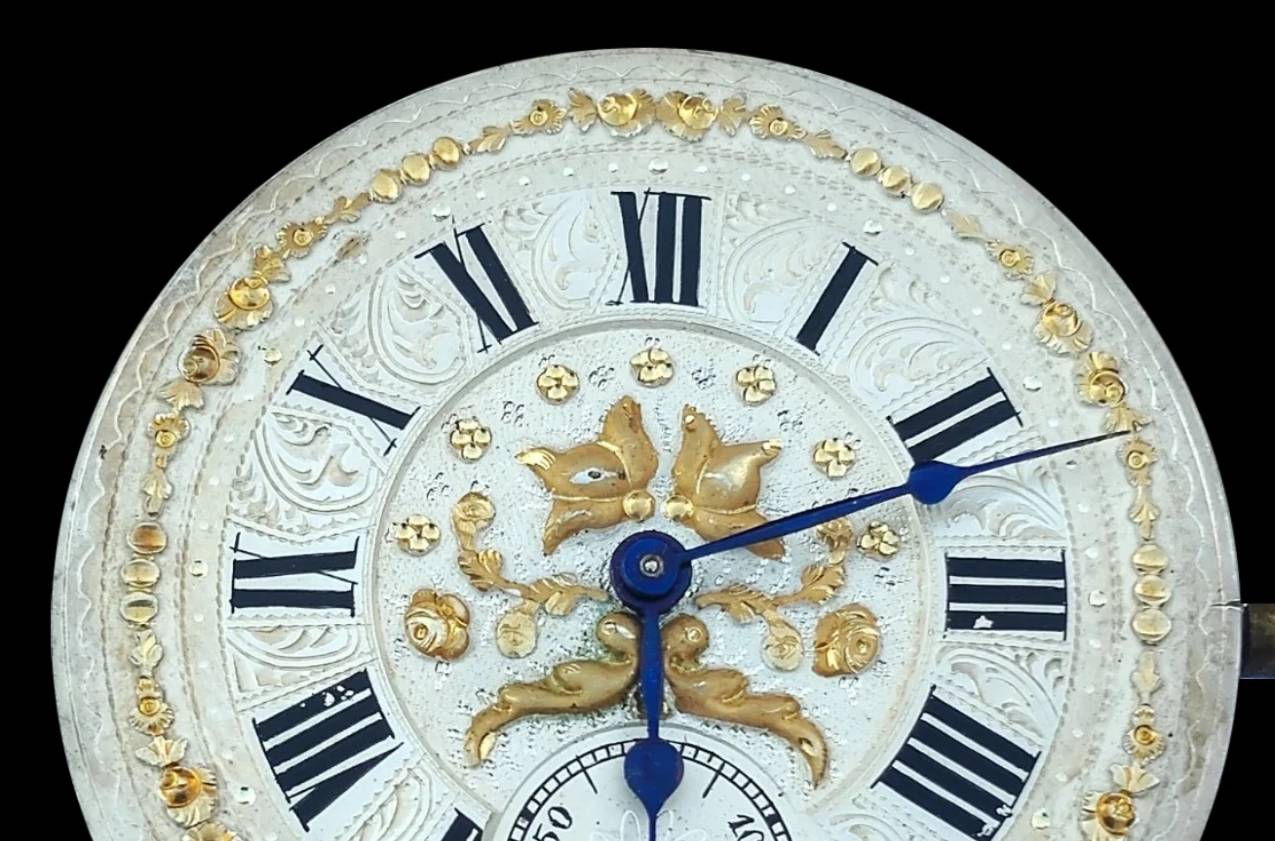
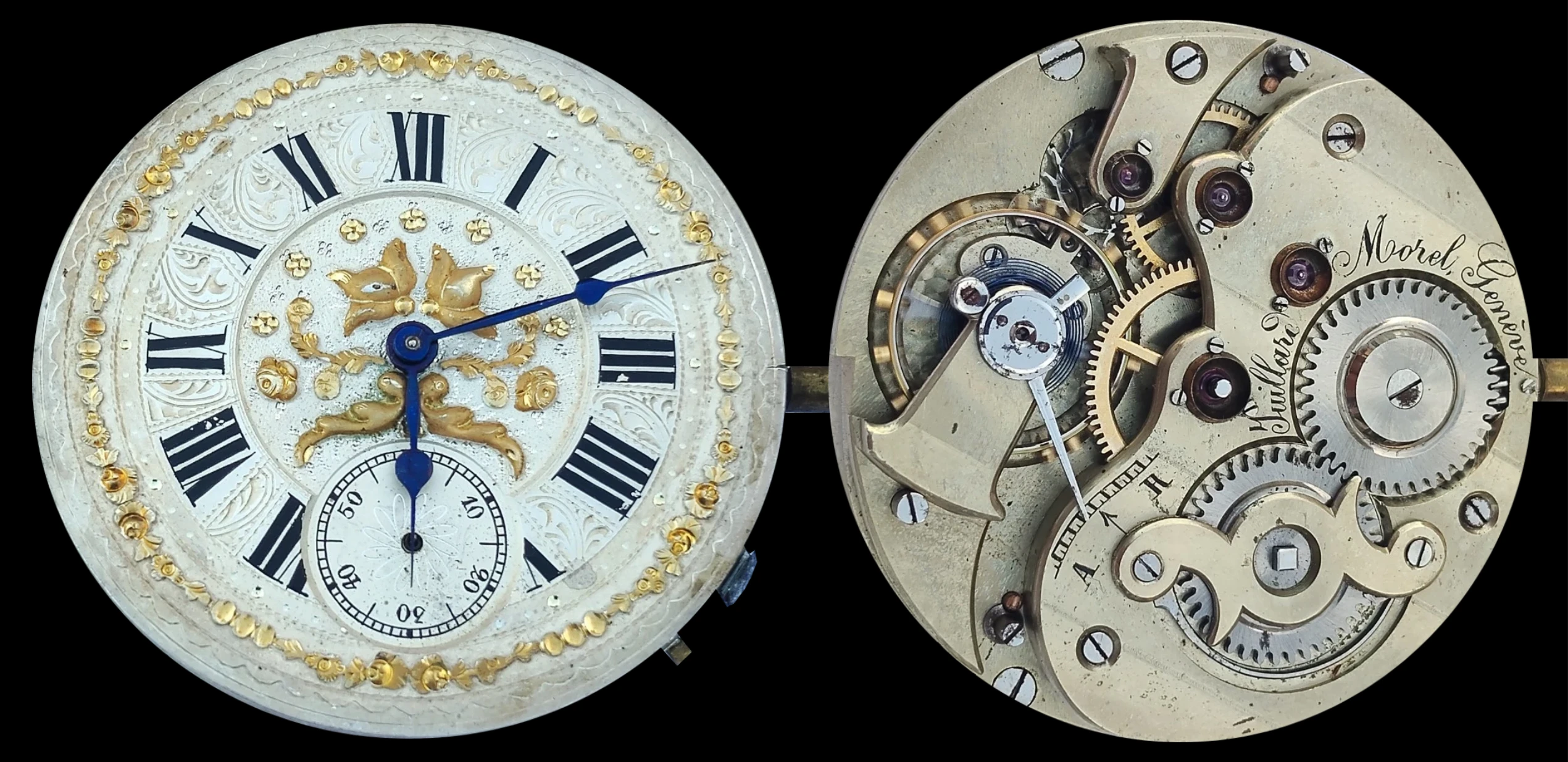
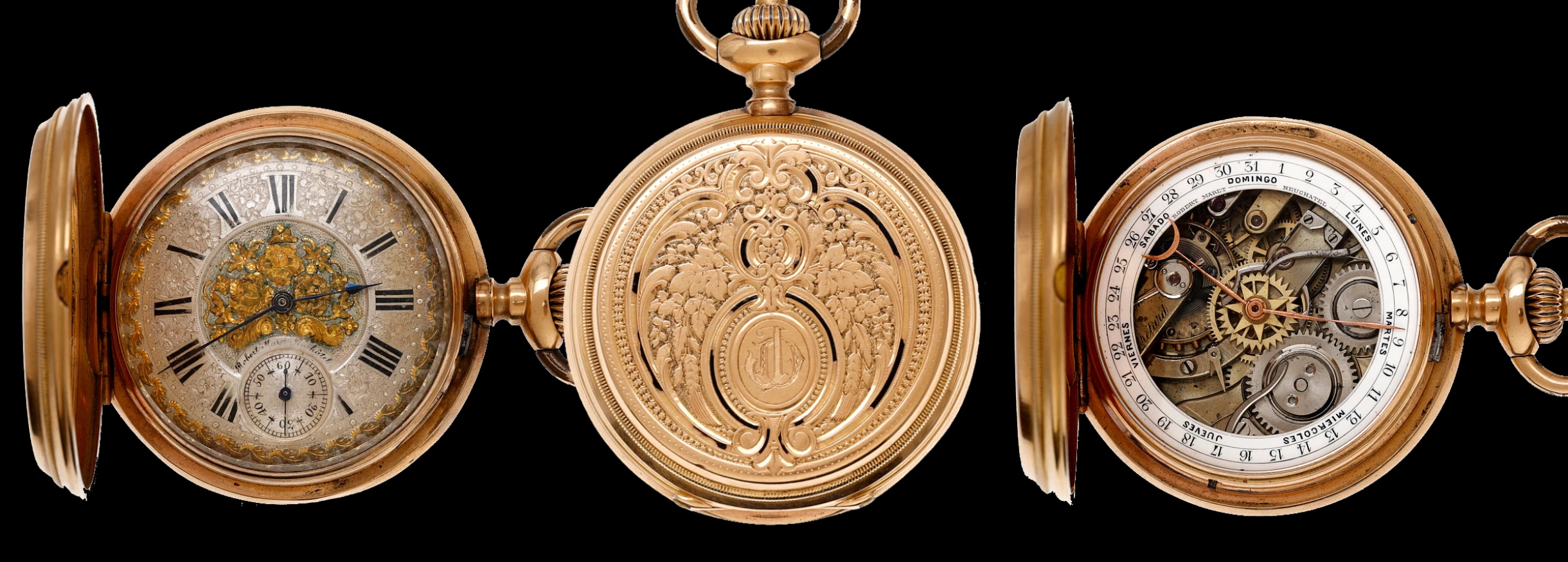
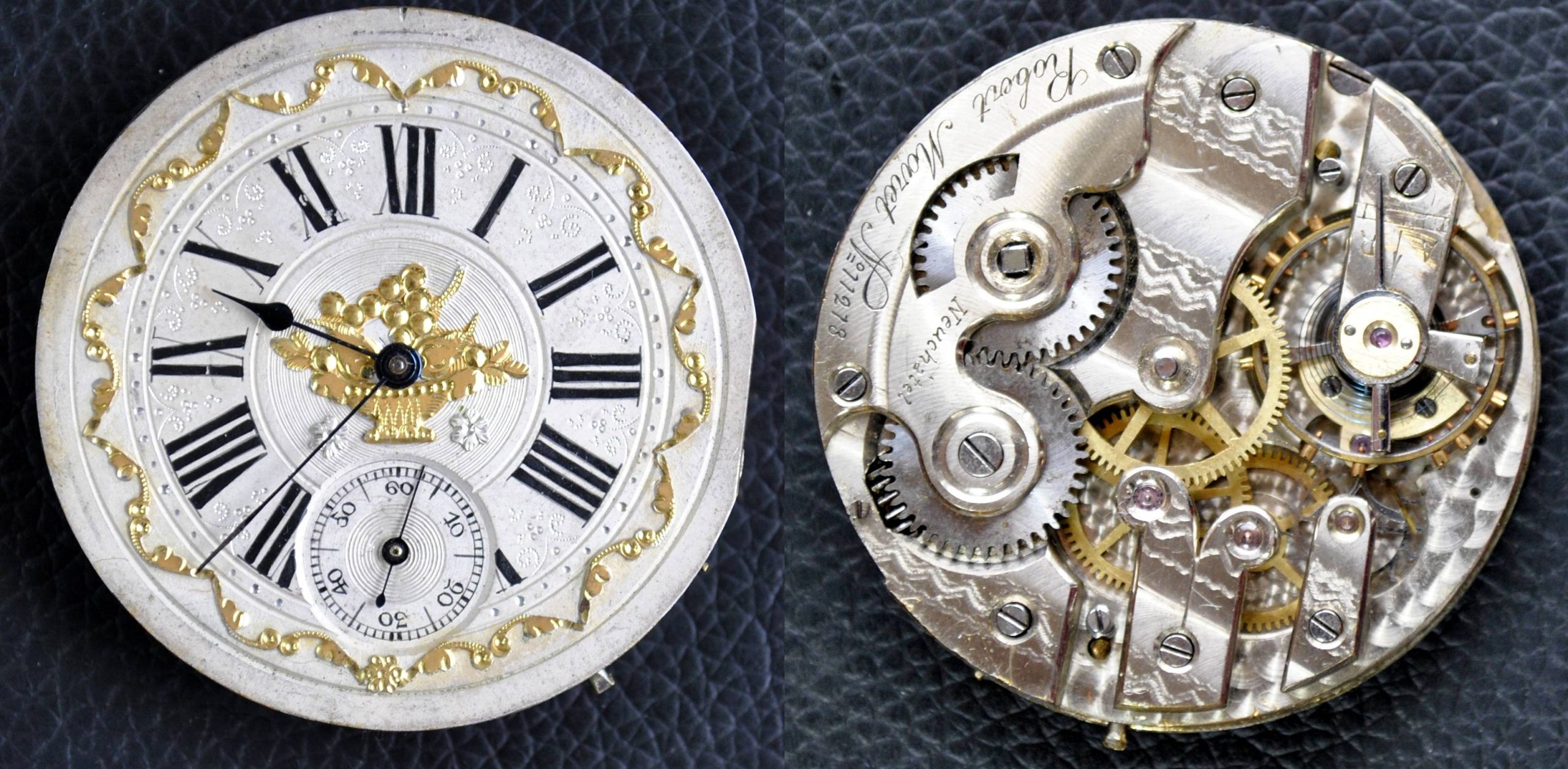
The legacy of Albert Juillard-Morel is inseparable from the house of Cortébert, but certain timepieces also bear the Juillard Morel signature. In the 1850s, production was signed Juillard Frères Morel, testifying to the close collaboration with his in-laws and his brother Édouard. Later, the Juillard Morel marking identified the production carried out by Albert, in keeping with family tradition. The “genre Espagne” watch presented here is a concrete example of this.
From Peak to Industrial Transformation
Following Albert’s passing, his heirs continued to expand the prestige of the house. In the 20th century, Cortébert had to adapt to major industrial shifts:
In 1927, it was integrated into Ébauches S.A.
In 1962, it was acquired by the SSIH-Omega group.
Despite its excellence in precision chronometers and railway watches, the quartz crisis of the 1970s brought an end to production under the Cortébert brand. The facilities closed permanently in 1984.
This historical success rested on exemplary solidarity: watchmaking technique demands close collaboration and mutual trust between leadership and workforce—a harmonious relationship that endured for a century and a half. It is this foundation of honesty and conscientiousness, embedded in every Cortébert watch, that built its universal reputation.
Possessing a timepiece from this manufacture today means preserving the tangible testimony of a lineage that, for nearly two centuries, combined technical mastery, industrial foresight, and devotion to the “common work.”
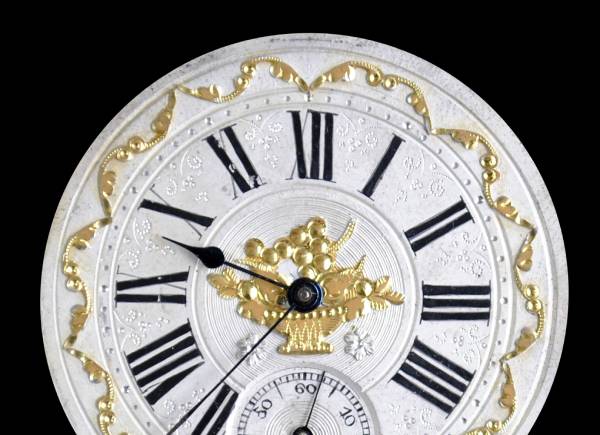
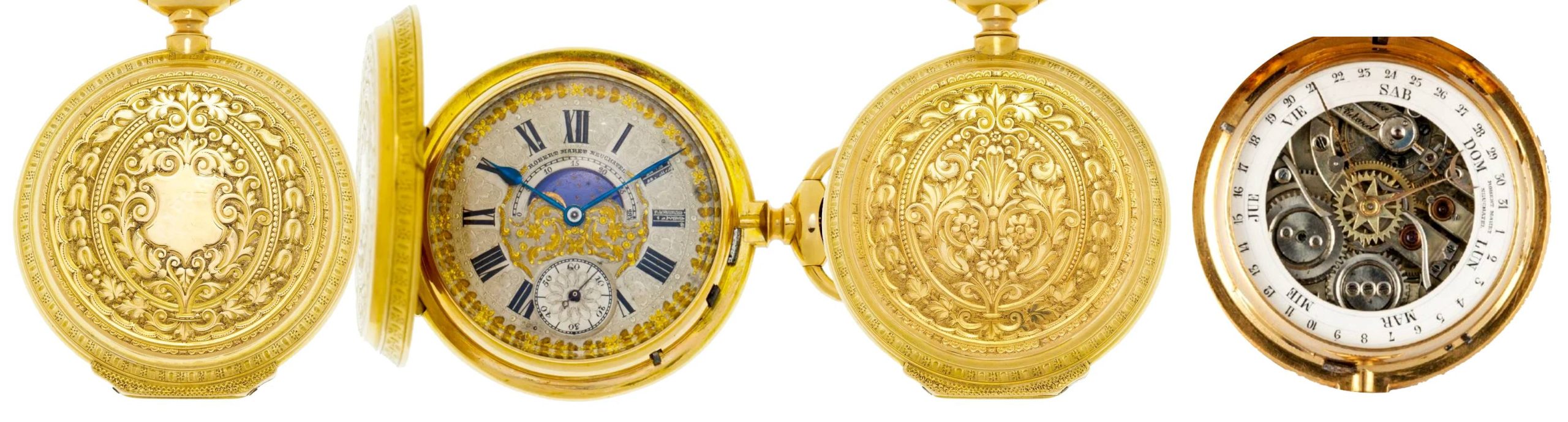
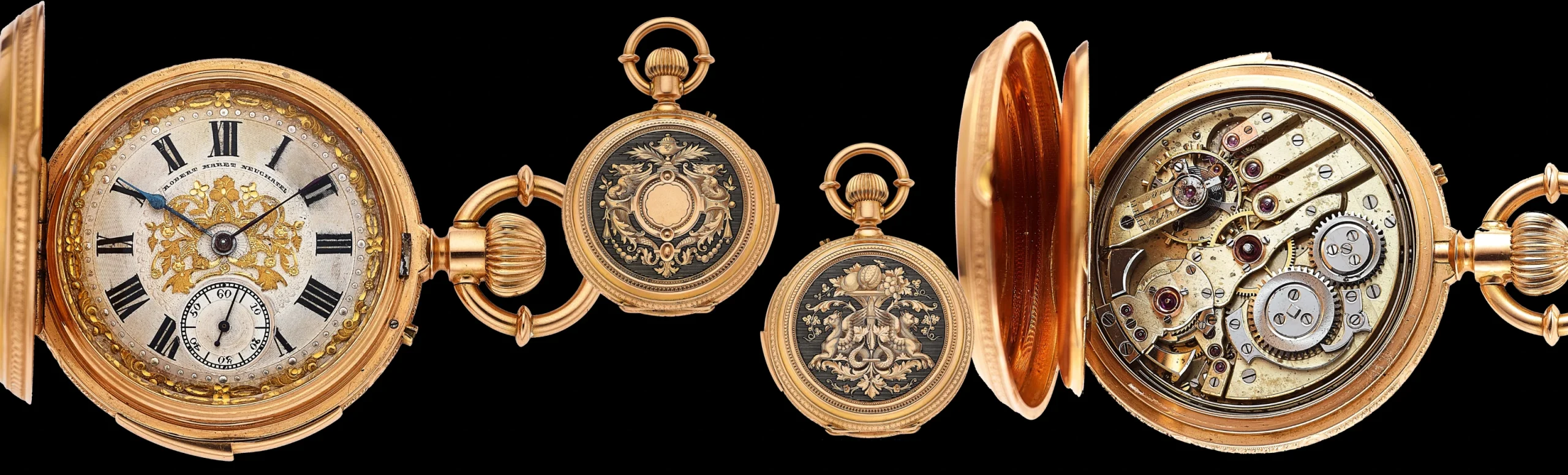
His “Genre Espagne” Pocket Watches
De l’établissement horloger neuchâtelois aux pionniers de la pendule électrique secondaire.
Louis-Philippe Robert-Maret, born Robert-Charrue on May 15, 1843, in Les Ponts-de-Martel (Neuchâtel). Coming from a family of watch manufacturers (établisseurs) led by his father, Philippe Henri (1795–1864), and allied through his mother to the Breguet family, he grew up immersed in the industrial fabric of the Neuchâtel mountains.
On October 21, 1874, his union with Elisabeth Marie Maret—daughter of the merchant and watch manufacturer Edouard François Maret—sealed much more than a marital alliance: by crossing the threshold of his father-in-law’s workshop, located at No. 5 Rue de l’Industrie in Neuchâtel, he transferred his art and life there. This physical and professional relocation to the paternal home marked the true anchoring of his Neuchâtel destiny. This vital turning point led him to adopt the trademark and commercial name of Robert-Maret. Firmly established in Neuchâtel, his business associated high watchmaking with singular commercial initiatives, such as the direct sale of Málaga wines announced in late 1879. On a personal level, the family became fully integrated into the Neuchâtel bourgeoisie.
On February 24, 1883, the registers reaffirmed his position as head of the Louis Philippe Robert house. That same year, his technical mastery reached an official peak at the Neuchâtel Observatory competitions with watch No. 8151 (pivoted detent escapement and cylindrical balance spring with two curves, regulated by Kaurup).
Beyond his activity as a manufacturer, Louis-Philippe Robert-Maret became actively involved in institutional life and the transmission of watchmaking knowledge in Neuchâtel. In 1884, shortly before facing the mourning of his father-in-law, Edouard Maret, his professional authority was officially recognized by his appointment to the Commission of the Watchmaking School (École d’horlogerie). He sat there alongside major figures of regional science and industry, notably Dr. Adolphe Hirsch, electric horology pioneer Mathias Hipp, as well as prominent industry actors such as David Perret, Alfred Perregaux, Paul Humbert, Charles Matthey, and Jules Sandoz. This direct contribution to technical training and the prestige of the institution fully illustrates his commitment to the heart of the Neuchâtel watchmaking elite.
On October 27, 1886, the house granted formal power of attorney to his wife, while also establishing her as the sole head of the house. Contemporary guides linked it to the Spanish and Italian-style markets. On March 12, 1887, the civil court of Neuchâtel summoned his creditors to homologate a composition (concordat) in the face of financial difficulties. Having overcome the economic downturn, the workshop was operating once again by 1889 on the third floor of Rue de l’Industrie, actively seeking highly skilled labor.
In 1891, the brand ranked among the elite manufacturers of Neuchâtel and shone at the Observatory with watch No. 21228 (lever escapement and plain Phillips balance spring, regulated by A. Schilt-Bolle). It was also in that year that he filed patent No. 3893 for an “improved long-lever escapement” (Échappement à longue bascule perfectionné), an innovation combining the rocker arm of a safety arm for stopping the gear train, and a roller table with a semi-cylindrical impulse pin. In 1892, his advertising highlighted a specialty of 19- to 21-ligne movements (chronometers, lever-detents (bascules), lever escapements with or without bulletins), consolidated in the 1893 directories.
Louis-Philippe’s name disappeared from the directories in 1894, and his official cancellation (radiation) was published on January 10, 1895. During this long apparent silence, his wife maintained active operations at 5 Rue de l’Industrie: hospitality, language lessons, textile depots, and transnational family networks.
Far from constituting absolute inactivity, this silence documented in traditional circuits likely conceals a laborious retreat into research and development. It is reasonable to assume that Louis-Philippe devoted himself to solving the complex challenges of electrical synchronization and the miniaturization of striking mechanisms. Future research in unedited patent archives will undoubtedly lift the final veil on the laboratories where this technical transition was forged.
Louis-Philippe Robert-Maret reappeared on the technical scene in 1903 by commercializing movement systems applied to secondary electric minute clocks with striking mechanisms (hours and halves), protected by Patent 30281 (and the associated motor device under No. 26707). These robust mechanisms adapted to any type of cabinet and were signed under the name of L.-Ph. ROBERT-MARET in Neuchâtel.
Patent CH26707A, filed by Louis-Philippe Robert-Maret and published on October 15, 1903, under the title “Motor device for a striking mechanism in a secondary electric minute clock” (Dispositif moteur d’un mécanisme de sonnerie dans une horloge électrique secondaire à minutes), marks a decisive milestone in the evolution of electric horology. This patent, completing his earlier system, not only consolidated his reputation as a pioneer of secondary electric clocks, but also inspired numerous subsequent innovations. Subsequent citations bear witness to the lasting influence of his work on striking mechanisms, motor devices, and even mounting and adjustment systems in horology, thereby proving that his contributions laid the foundations for major technical developments in this field.
Following the death of his mother-in-law in 1907, the Robert-Maret young ladies welcomed young boarding girls into their home starting in 1908. On July 25, 1916, Louis-Philippe Robert-Maret passed away in Neuchâtel at the age of 74. His obituary mentions his children established in England, Fleurier, and Neuchâtel, sealing the journey of a pioneer caught between mechanical tradition and electrical modernity.